
The Magical Diamond 4Cs
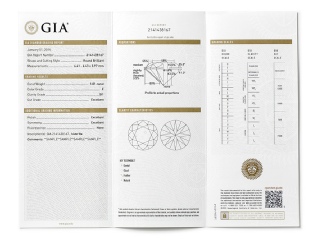
4Cs is an abbreviation used in Jewelry jargon, which indicates the four key characteristics determinant for classifying a Diamond and giving its consequent value. The abbreviation 4Cs aims to shorten the 4 English words Carat Weight, Color, Clarity, Cut.
These four words abbreviate terms written in English because the international Diamond grading system was invented in the United States by the epic Gemological Institute of America, under the guidance of the father of Gemology Richard T. Liddicoat, in 1953.

This first guide is indispensable in order to have a basic preparation and orient oneself in the mythology of the Diamond, which remains, for Man, the most fascinating Gem that the bowels of the Earth have ever given birth to.
Let us therefore try to give you guidelines and parameters for a clear orientation in the world of Diamonds, following the international parameters of the 4Cs Diamond first and foremost.
Carat Weight
Weight, called Carat Weight, is a component of the Diamond 4Cs. Carats are in fact the units of measure of the Diamond’s weight (mind you, not its dimensions). A carat can in turn be divided into 100 points: for example a 0.50 carat diamond will also be measured as a 50-point diamond or as a ½-carat Diamond. With color, clarity and cut being equal, a Diamond will cost more when it has more carats.
Color
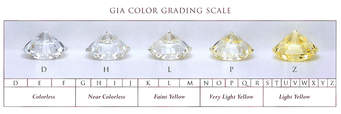
Like carat weight, Color is also an essential component of the Diamond’s 4Cs. The color range goes from icy white to warm white. All Diamonds are classified through the scale that goes from D (colorless) to Z of the Gemological Institute of America. D-color Diamonds turn out to be the rarest and most expensive. It must be specified that colorless Diamonds still reflect the colors of the surrounding environment, so, like all gems, they will still have a color which, in Diamonds, is called fire or brilliance. The rarest colors in nature are purple, green, red, pink and blue, which never come in large sizes. Green and purple Diamonds are considered the rarest.
Clarity
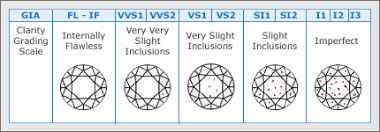
The Gemological Institute of America has also disseminated a Diamond clarity scale. By Clarity, an essential component of the Diamond 4Cs, is meant the number, position, size, dimension and relief of the inclusions present in a Diamond, which are the fingerprints of Mother Nature. It goes without saying that the more a Diamond is free of imperfections, the more it will be of value.
Cut
Cut is undoubtedly a non-natural characteristic, but a fundamental one for judging a Diamond. (See also our article on cutting Diamonds techniques.)
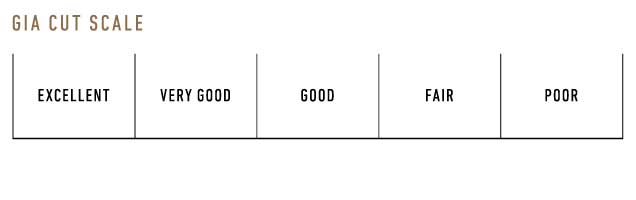
Cut is an indispensable component of the Diamonds’ 4Cs and is measured through the white light that returns to the observer’s eyes. For example, a round Diamond will turn out symmetrical, since it is able to reflect all the light that enters it, and will be considered of greater value. Before the cut, there are many details the gemologist will have to keep in mind: shape, proportions, symmetry and polishing defects.
Related Articles
Heliodor and his Brothers.. Bixbite, Morganite..
Heliodor: Golden Beryl, Brother of Aquamarine and Goshenite When in nature, the Beryl appears yellow it is called Heliodor, when instead it shows a enough green it is called Emerald.…