Garnet and its Philosophy
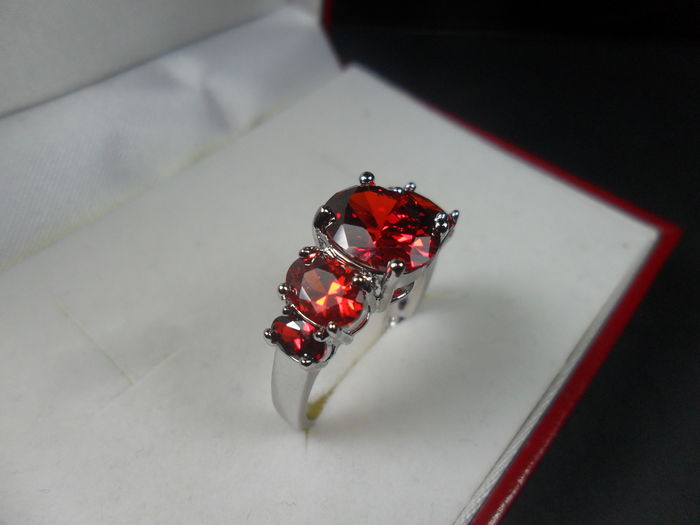
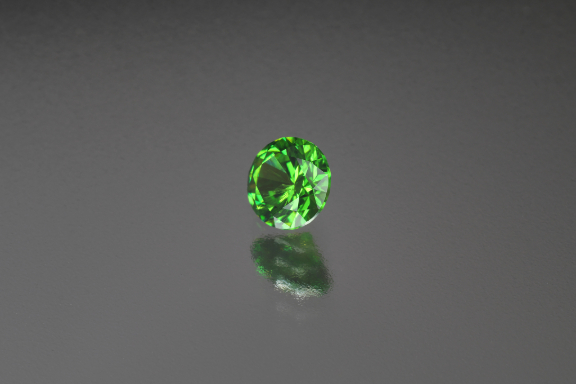
Garnet, Gem of January and of the 2nd wedding anniversary, boasts an over-millenary history, since it already adorned the necklaces of the ancient Egyptians.
The signet rings of the ancient Romans were often embellished with the January Gem, and it is precisely to an artist of ancient Rome that we owe the very famous portrait of Plato engraved on a Garnet. With that very famous portrait, the Romans wanted to give Garnet a deep philosophical meaning and also wanted to ensure a continuity of thought with the Greeks.
In the Middle Ages, Garnet was the favorite Stone of nobles and clergy. It is said that the King of Saxony had a 465-carat Gem-quality Garnet with astonishing transparency. The discovery in 1500 of Bohemian deposits made its availability grow, but after 1800 the red Garnet no longer lived years of glory.
The Bohemian deposits gave forth an impressive quantity of Garnets, which still adorn several European churches. If you are currently on vacation in London, we recommend going to see the Old St. Paul’s Cathedral in Paddington, whose sanctuary is adorned with gold, silver, Garnets and other precious gems.
This is the Dilemma: Garnet Gem or not a Gem?
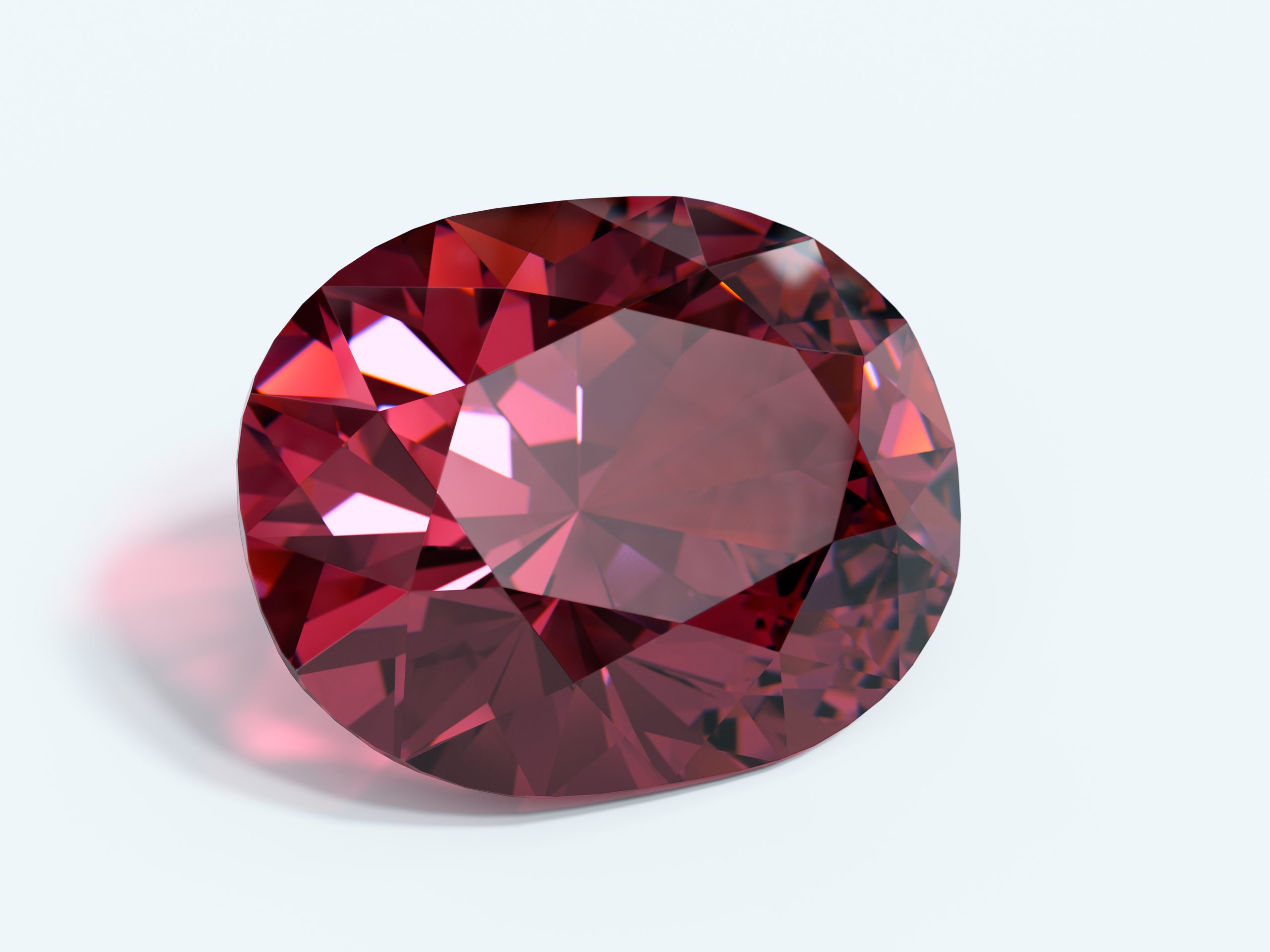
There are more than 20 species of Garnet, but only 5 are commercially important:
1) Pyrope
2) Almandite
3) Spessartite
4) Andradite
5) Grossularite.
Another species of Garnet sometimes interesting is Uvarovite, whose rough, however, is always presented in dimensions too small to be cut, and therefore Uvarovite can rarely be defined as Gem-quality Garnet.
A different speech for Rhodolite Garnet and Malaya Garnet, which are mixed Garnets, with very intriguing colors and economically accessible.
Spessartite (formerly Spessartine) and Almandite (formerly Almandine) have lately been the subject of a lively contention among gemologists. These two species, following a gigantic dispute involving about ten gemologists (myself included) that more than once nearly came to verbal blows, from 2016 onward must be scientifically called Spessartite and Almandite, because supporters of this thesis seem to have prevailed..
So are we all in agreement that Garnets are not precious Gems? But are we really sure?
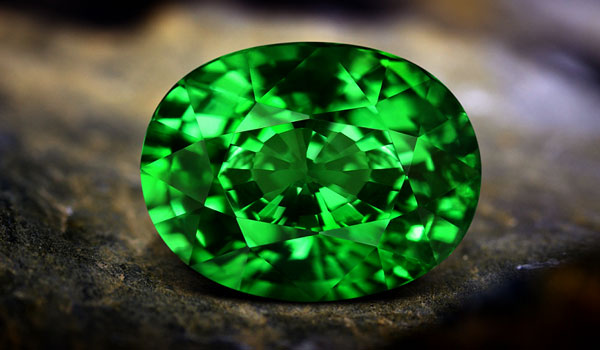
And Tsavorite?
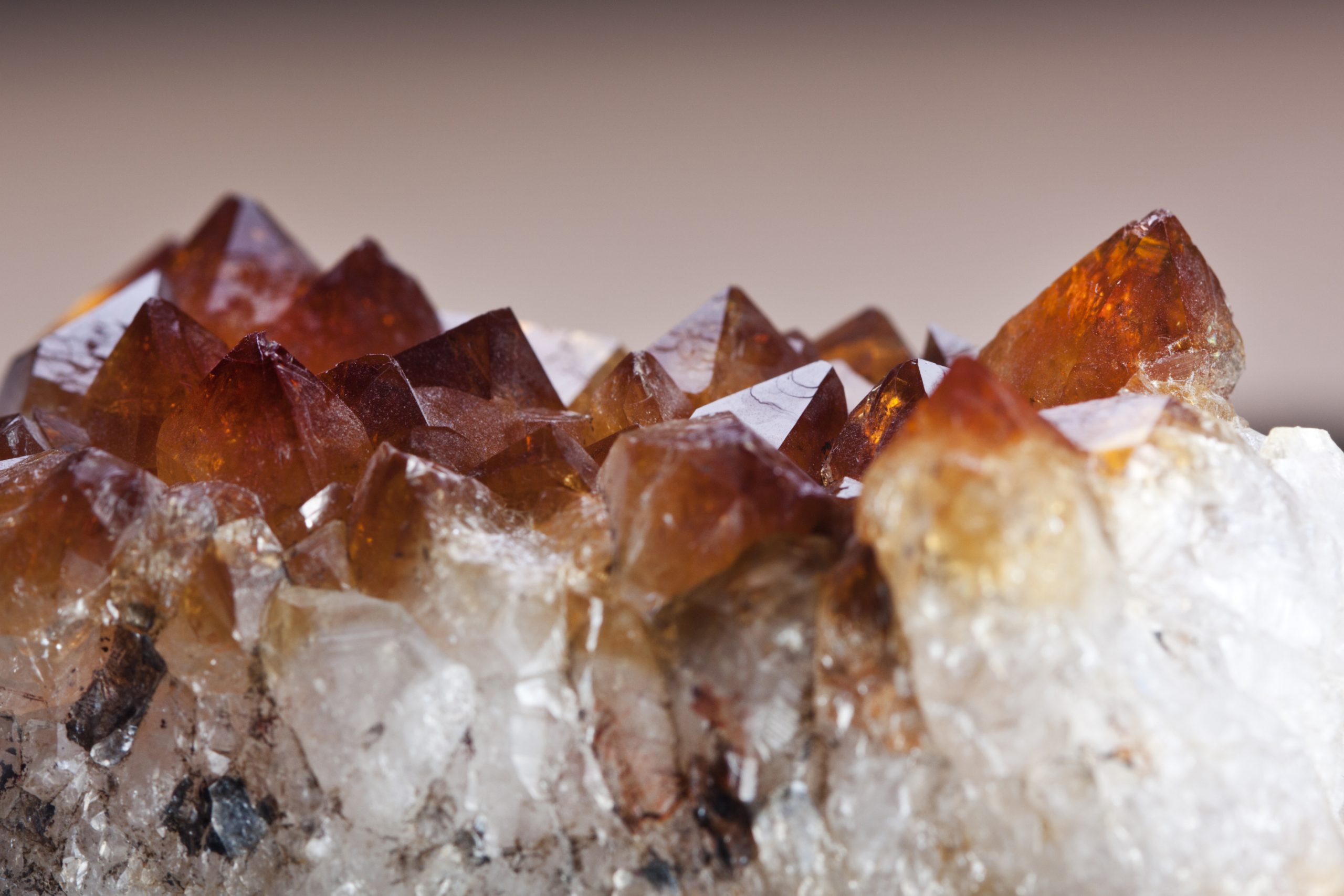
Tsavorite is the proof that not all Garnets are abundant, red and cheap. This green variety of Grossular takes its name from the Tsavo area, in East Africa where there is excellent production of rough.
In small dimensions, calibrated Tsavorites manage to satisfy market demand, which is greedy for them, given that they are an excellent alternative to Emeralds.
Compared to Emeralds, Tsavorites cost a bit less, are more resistant, more brilliant and almost never treated.
In large sizes, Tsavorites are very rare and very expensive, since they are coveted by high jewelry. Moreover, as happens with many other Gems, the depth of color improves as the size of the Gem increases.
The first Tsavorites in history emerged in the gold mines on the Ural Mountains, in the mid-1800s. They were found in the form of pebbles and inevitably ended up in the sights and hands of the Russian royals.
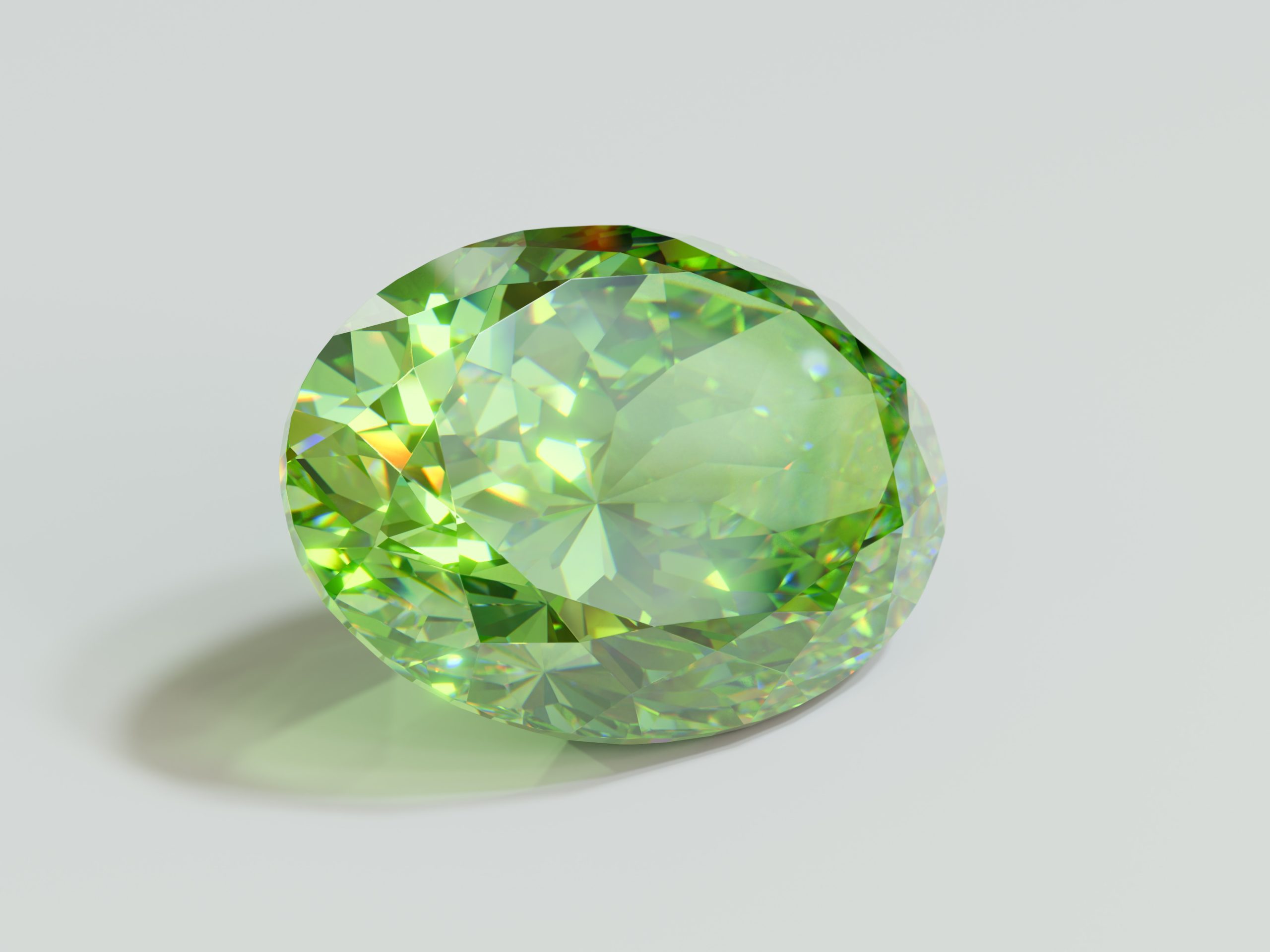
And Demantoid?
Demantoid is the green variety of Andradite that appears to the gemological world with a higher dispersion than Diamond and often with a saturated and vibrant green color. It is true that Demantoid is very rare in nature, but it is also true that it is very soft and fragile.
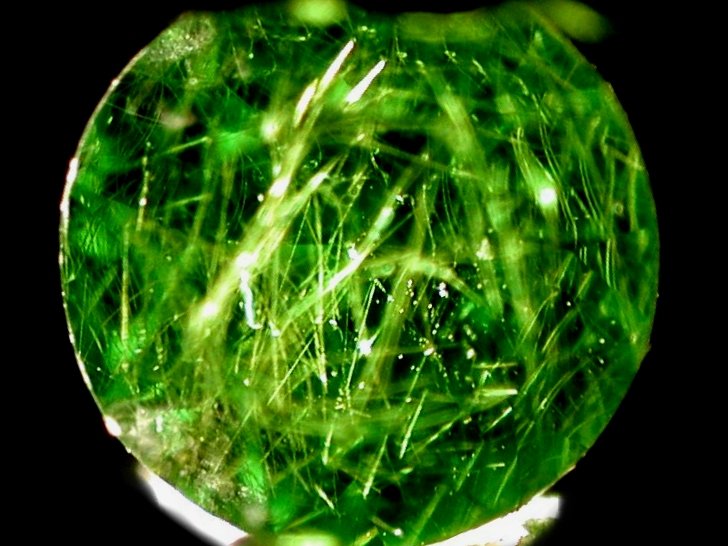
Some typical and distinctive Demantoid inclusions can give it additional value: we are talking about horsetail inclusions, fibrous bands of minerals that expand and decorate the interior of the gem, drawing a horsetail or a comet. Horsetail inclusions are usually found in Russian Demantoids, while Namibian Demantoid Garnets almost never present them.
Currently Demantoid Garnet mainly comes from Russia, where it is dug by illegal miners along the Bobrovka river, and from Africa.
Another Gem-quality Garnet that can boast excellent prices is the Color Change Garnet, especially when the color change conferred on it by Vanadium is very evident.
At this point in the article, the thesis according to which Gem-quality Garnet should be red and cheap has been totally dismantled.
Choosing the ideal setting
Garnet varies in hardness from 6.5 to 7.5, so it would be better to avoid mounting it in bracelets and rings, since these are worn in areas often exposed to knocks. We rather recommend mounting it on earrings or in brooches or pins.
Decidedly fascinating is the Tanzanite-Rhodolite pairing.
I would not take it for granted that brooches are definitively out of fashion. Indeed, in Japan, brooches still serve today for both aesthetic and practical reasons:
1) they decorate women’s ceremonial kimonos
2) they hold the folds of the dress in place.