Aquamarine, always sweet and never salty
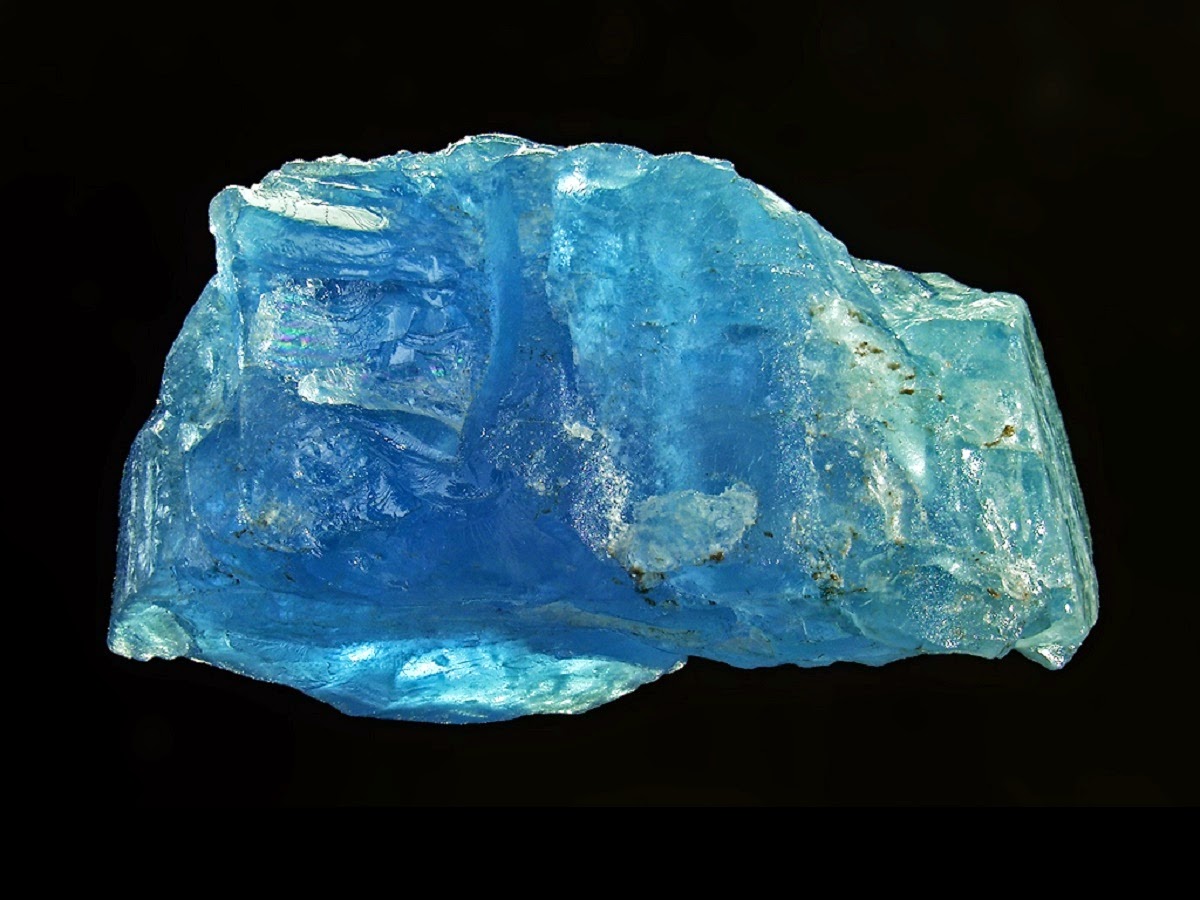
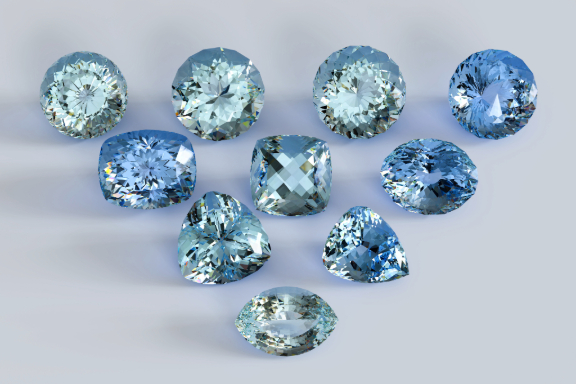
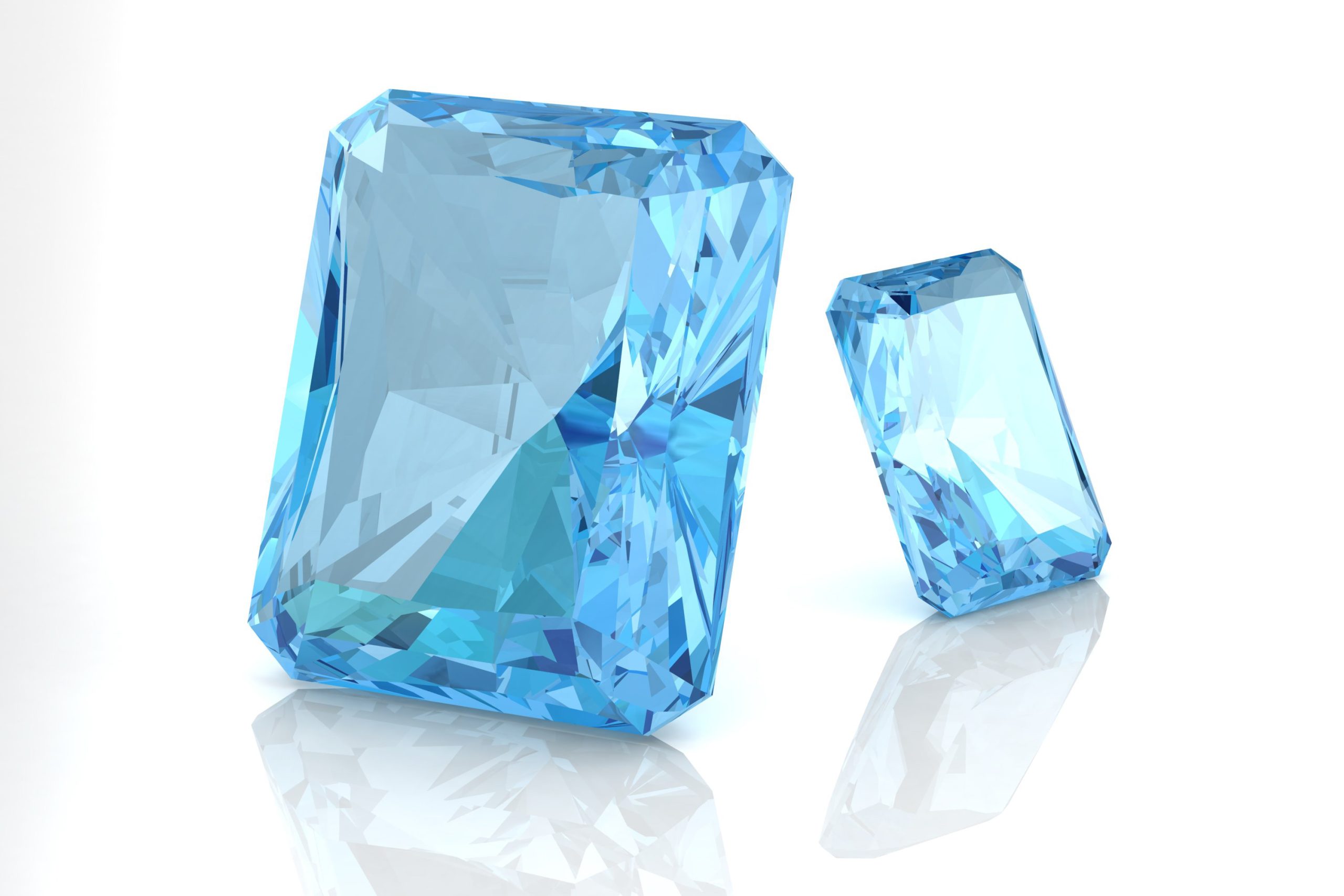
The colors of Aquamarine extend, sparkling, from the gentle, delicate sky blue to the deep blue of the sea.
Women adore it for its fine and elegant hue, which over the centuries has inspired the greatest jewelry designers. It is the sister of the Emerald, in fact they belong to the same species: Beryl.
The Gem of March, which has always symbolized loyalty and friendship, seems to have truly captured the bright blue of the ocean, bringing to mind the legendary images of mermaids; not by chance, its name derives from the Latin words: Aqua and Mare (sea).
Santa Maria Aquamarine and Espirito Santo: when the Gem becomes mystical
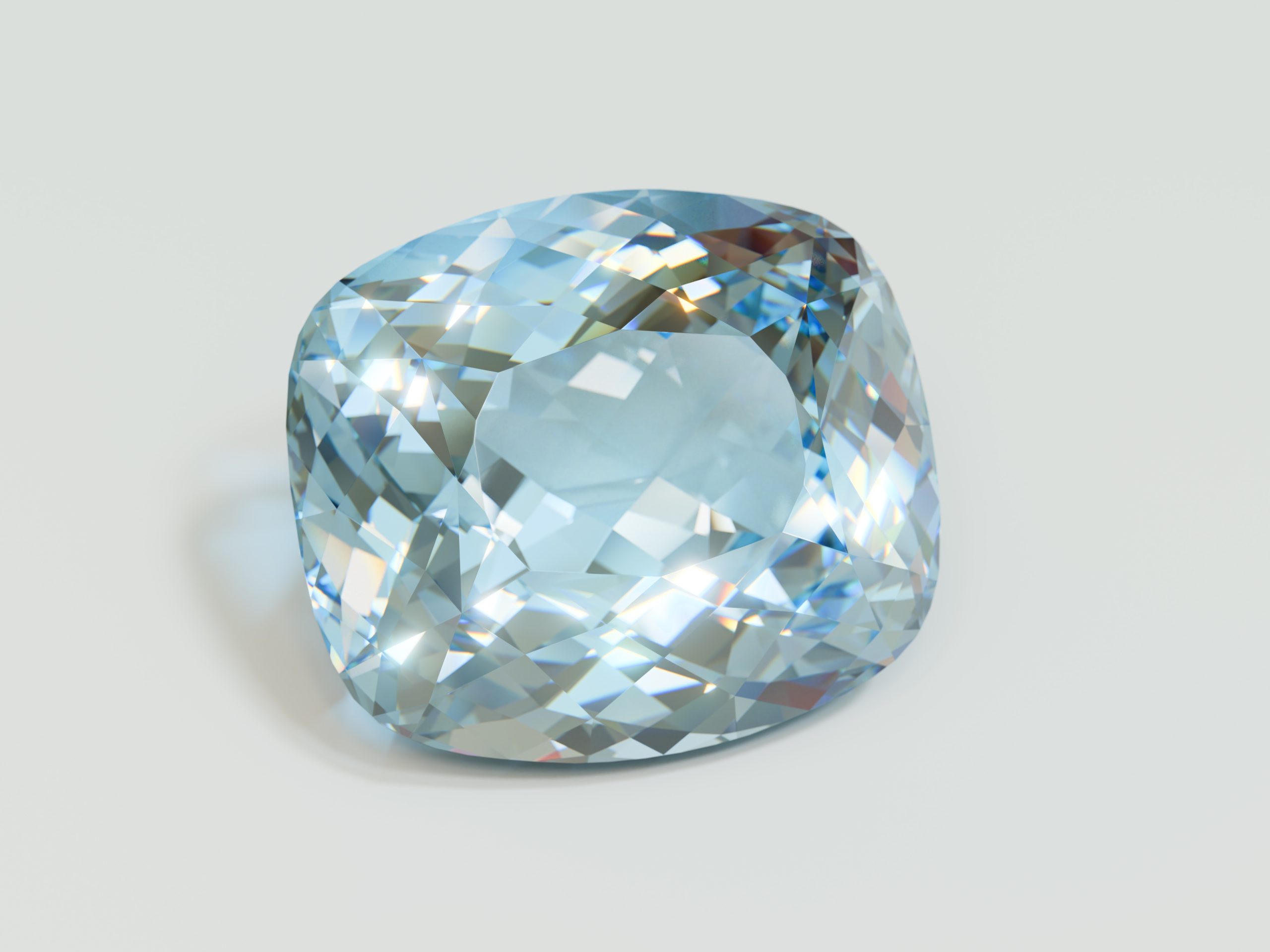
The various colors of Aquamarine bear melodious names, but one stands out above all: Santa Maria Aquamarine, in whose Gem the deep blue takes on mystical contours.
The name Santa Maria was given in honor of the Brazilian locality where these Gems were discovered in 1950: Santa Maria de Itabira, in Brazil. Today, Brazilian mines are nearly depleted and most Santa Maria Aquamarines are found in Mozambique, Zambia and Tanzania. To distinguish them from the Brazilian ones, they are called African Santa Maria.
The trade term Espirito Santo refers to an Aquamarine with a not-very-deep blue color, coming from the Brazilian state of the same name. Another legendary name given to the color of this Gem is Martha Rocha.
Record-breaking stories
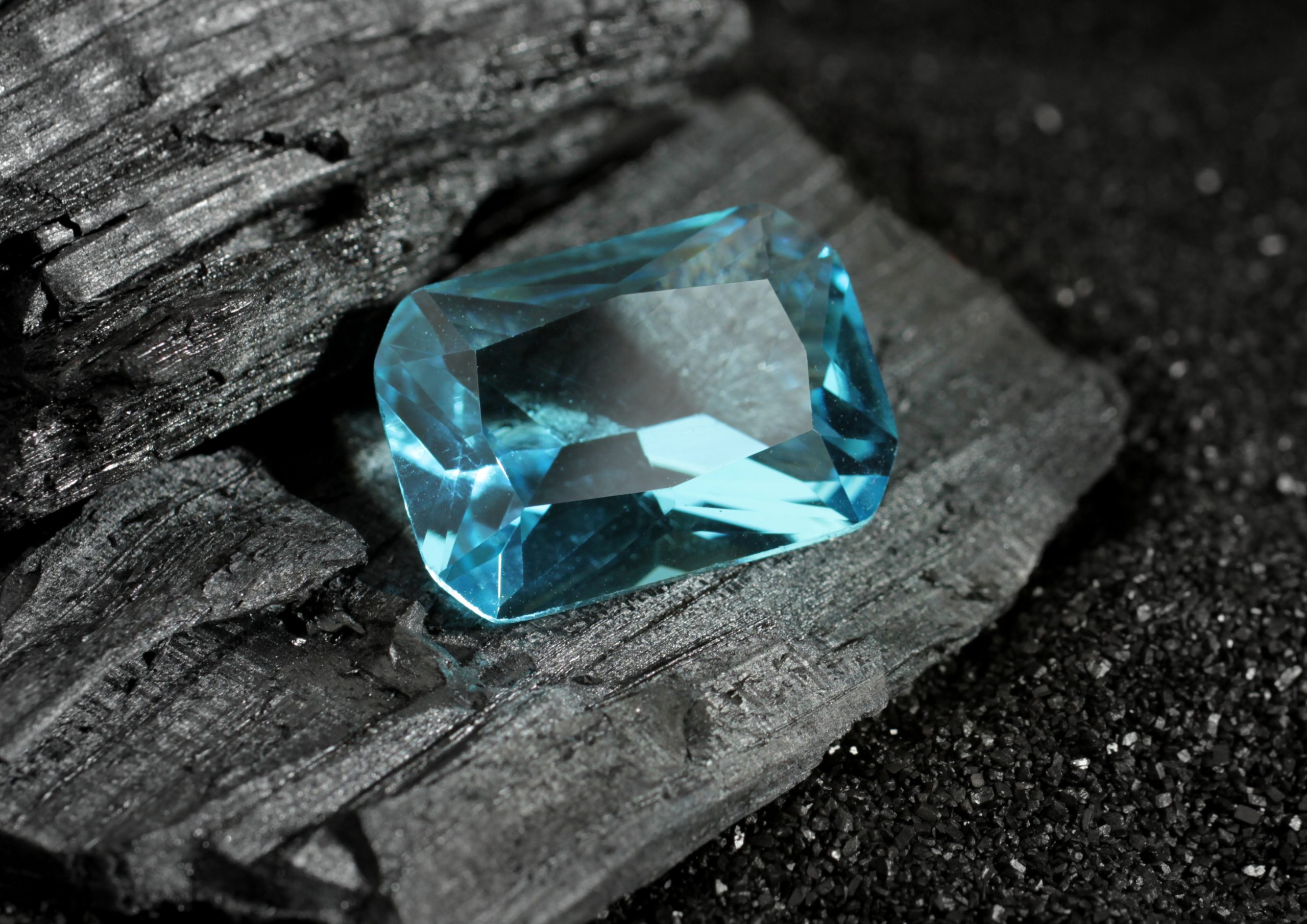
The world leaders in producing this magnificent variety of Beryl are Brazil, Pakistan and China.
Brazil is the most important source of Aquamarine. The first discovery dates back to the early 1800s, when a crystal weighing 110 kg emerged from a riverbed in the Teofilo Otoni area, in Minas Gerais. Since then, millions of carats of Aquamarine have been extracted from thousands of Brazilian mines.
Germans who immigrated to Brazil around 1850 found it everywhere. They dug it by hand with all sorts of tools; later, some began sending samples to Idar-Oberstein, starting a centuries-long business relationship between the two nations.
Historically Aquamarine was found in riverbeds, but many independent miners, called Garimpeiros, dug it from underground until the government stopped them.
The perfect setting
Aquamarine has always appeared as the centerpiece of the Solitaire pendant: the necklace with a pendant in which sometimes a Diamond, sometimes a Gem is set.
The solitaire with this attractive blue variety of Beryl at its center is still a best-seller in the contemporary market. The Gem set in it can be of any size or shape, and can be mounted either in a prong setting or in a bezel setting.