Emerald Eyeglasses: Nero or Lapo? Who is the most fashionable?
Green has always been the color of hope, the emblem of awakening nature and bursting spring.
Green indicates the fertility of our Planet, paving the way for the continuity of life.
Sought after as early as 3500 B.C. by the Egyptians, Emerald was also mined by the ancient Romans in an Alpine mine. The ancient Romans believed that the Gem, once faceted, helped to rest the eyes.
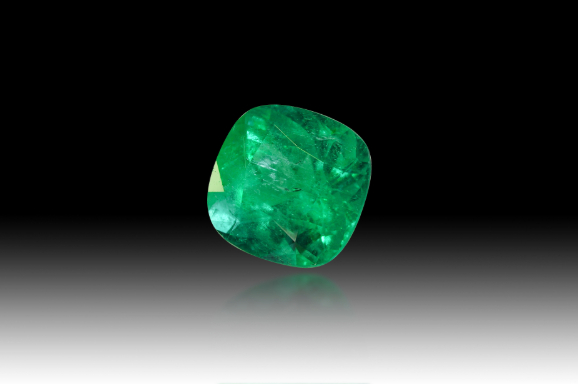
In fact, in ancient Rome, some eccentric and powerful figures of the era, among whom the famous Nero certainly stands out, used Emeralds as lenses for relaxation eyeglasses.
It is said that the pyrotechnic Roman emperor watched gladiator combats through two Emeralds. Nero was recently imitated by Lapo Elkann, a curious modern-era figure who launched an equally extravagant line of glasses.
Egypt, in addition to being the most ancient source of Emeralds, was also for a long time the greatest source of this elegant variety of Beryl. The Egyptians believed that Emeralds could bring the dead back to life, and indeed buried many mummies with an Emerald on their neck.
The tortures of Loqui Nones
After the Spanish explored Colombia, the world geographic scenario for Emerald changed completely.
The Egyptian source of Emeralds would from then on be totally overshadowed by the extraordinary South American source. Many Incas resisted the tortures of the arriving Spanish conquistadors rather than reveal where the mines were located; in fact the Incas considered Emeralds a very important part of their treasure.
But over time, due to terrible tortures and barbarities, the Spanish managed to extract the secret of secrets from a certain Vale Loqui Nones: a local indigenous man, a much-debated figure for his low sense of responsibility.
Loqui Nones revealed that from Ecuador, exactly from the province of Quito, came a river just inside the Inca territorial boundaries. This river often transported Emeralds that the Incas found without even having to dig, since nature had already done the uncomfortable work of bringing them to the light.
Right after Loqui Nones’ revelation, Emeralds landed in Europe.
The Gemology of Emerald..
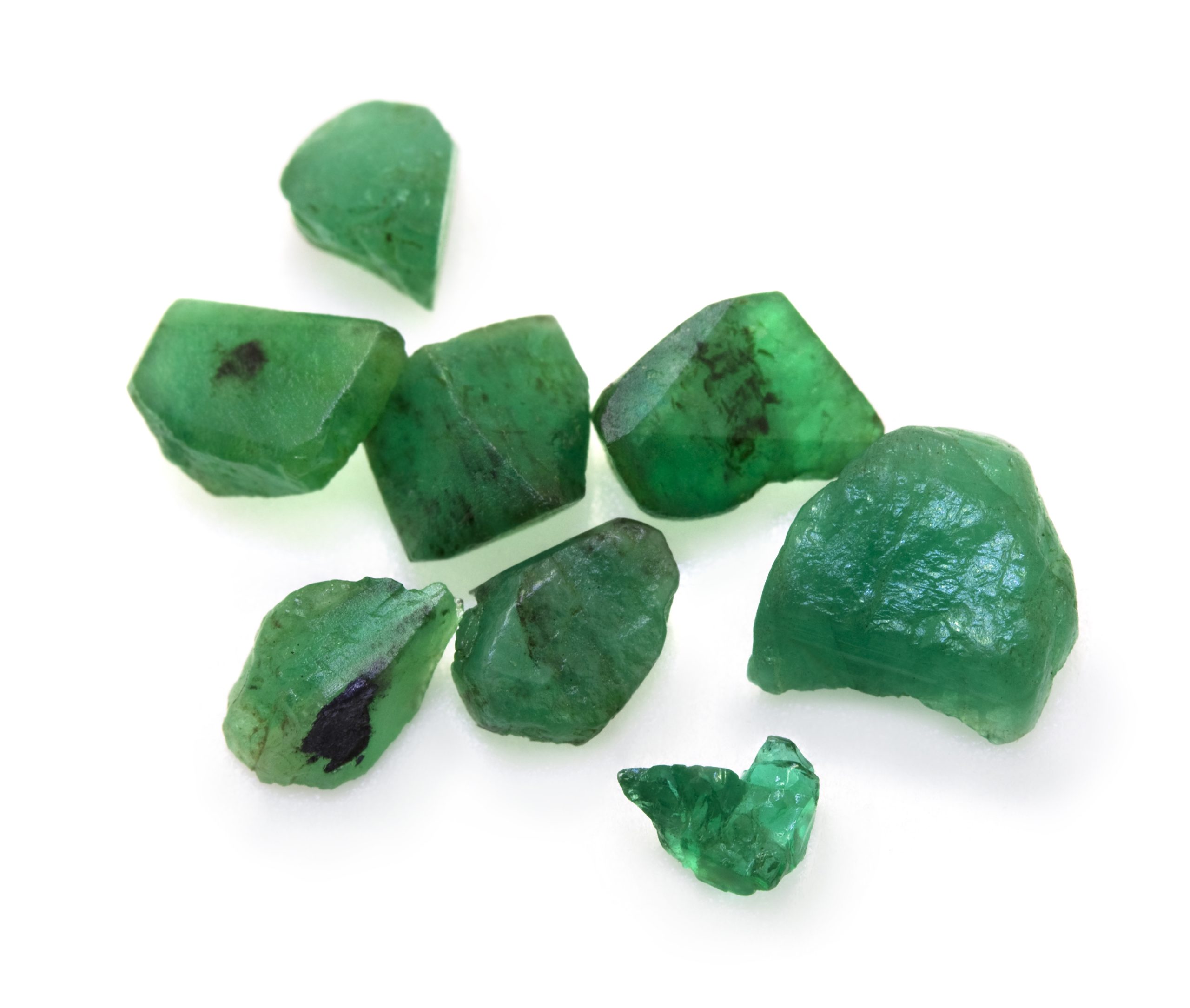
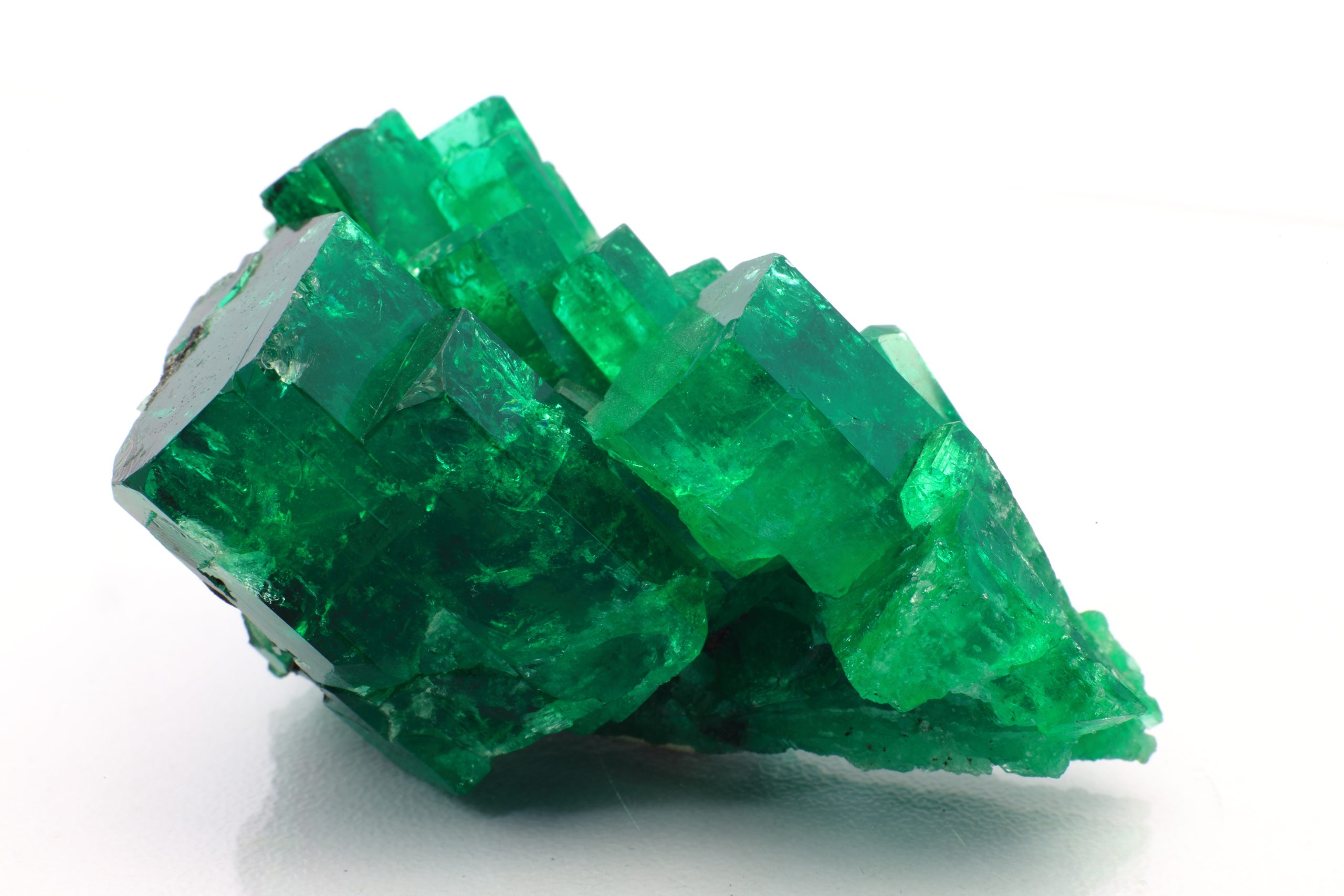
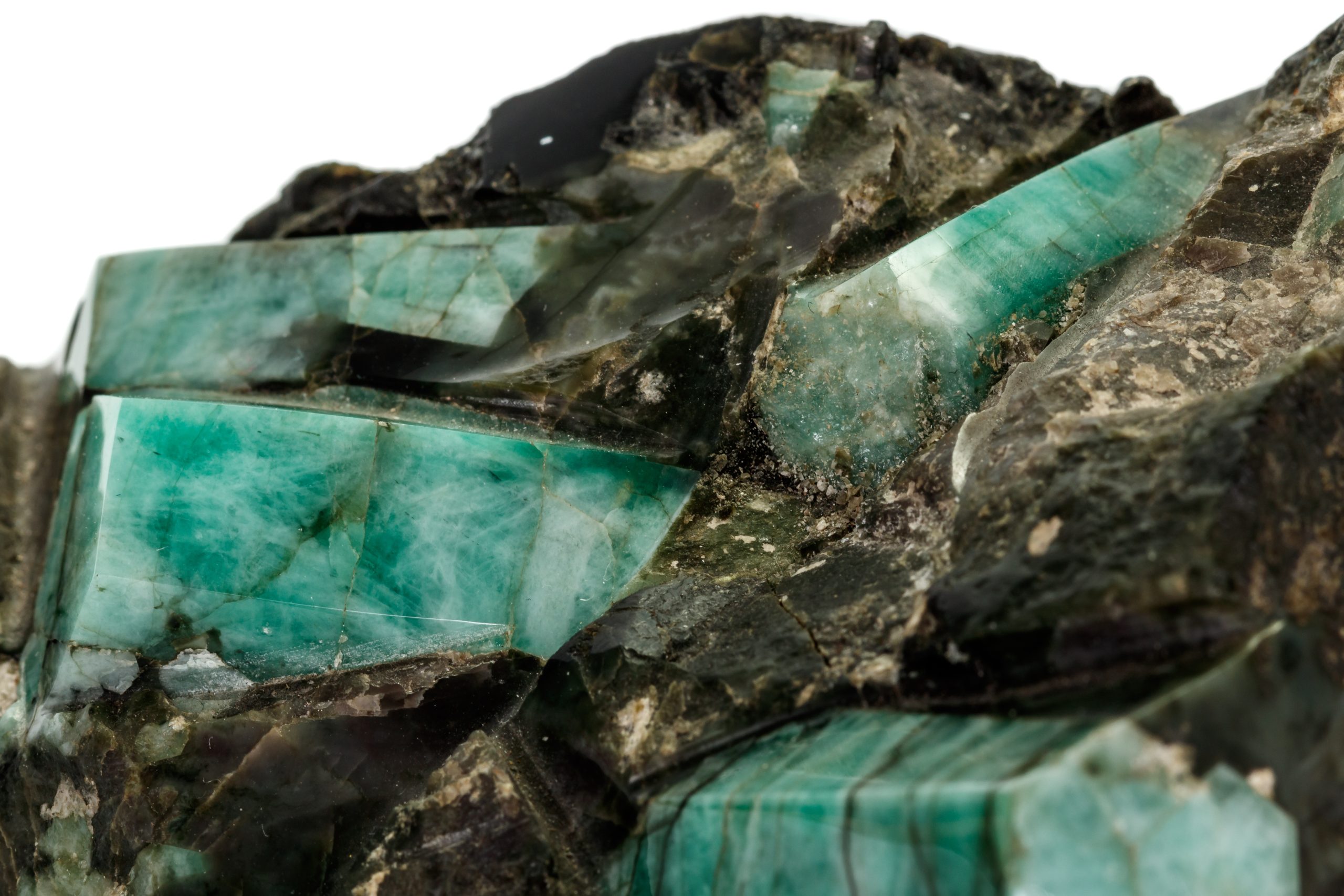
The most common habit of Emerald is the elongated hexagonal prism, sometimes with striations on the longer side. Emeralds are formed by Beryllium, Silicon, Aluminum, Oxygen and one or more trace elements among Chromium, Vanadium and Iron.
They can form in both metamorphic and sedimentary rocks associated with hydrothermal veins, but most mines are located in metamorphic areas, except for the Colombian ones, which are in sedimentary rocks associated with hydrothermal deposits.
Almost all Emeralds have inclusions visible to the naked eye, so everyone in the trade accepts the presence of inclusions in this Gem. Emeralds without inclusions are extremely rare and obviously have a special added value.
Perhaps the only flaw of this nearly perfect Gem is a not-exceptional hardness, although 7.5 to 8 on the Mohs scale remain very respectable values.
Roll up your sleeves.. here is where to dig Emeralds
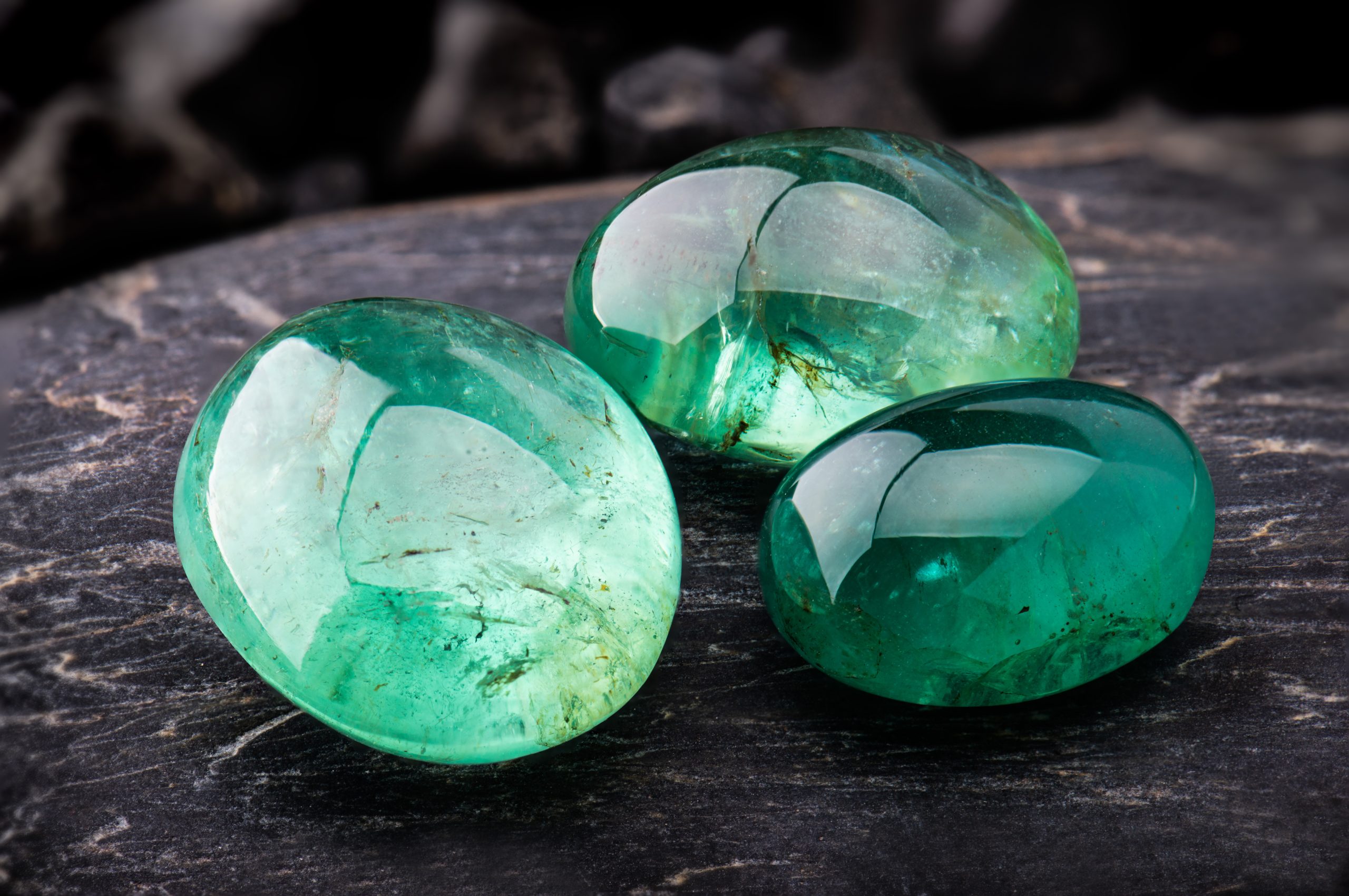
The Emerald Hollow Mine is the only mine in the world open to the public where it is permitted to search for Emeralds free of charge. It is located in the city of Hiddenite, North Carolina, and is recognized as one of the most unique and interesting geographical places in all of North America.
In Kamakanga, the largest private mine in Zambia, you can buy stones directly from the cutters, who acquire them from the mine owners.
Many mines are located in metamorphic zones where Pegmatites meet Schists; for example in Brazil (Ceara, Bahia, Minas Geiras, Goias), in Zambia (Kafubu Field) and in Zimbabwe (Sandawana).
In Colombia, on the other hand, Emeralds are found in the eastern part of the Andes, in sedimentary rocks associated with hydrothermal veins.
Among the most famous Colombian mines, the Muzo mine stands out for its celebrity, as the famous Trapiche Emerald was discovered there.
The mines of Chivor and Coscuez are two other gems in Colombia’s crown.
Currently the largest producer of Emeralds is the La Pita mine in Minas Gerais, discovered in the late 1990s. The modern Brazilian La Pita mine uses cutting-edge technologies and respect for the surrounding environment is one of its priorities.
Emerald vs Diamond
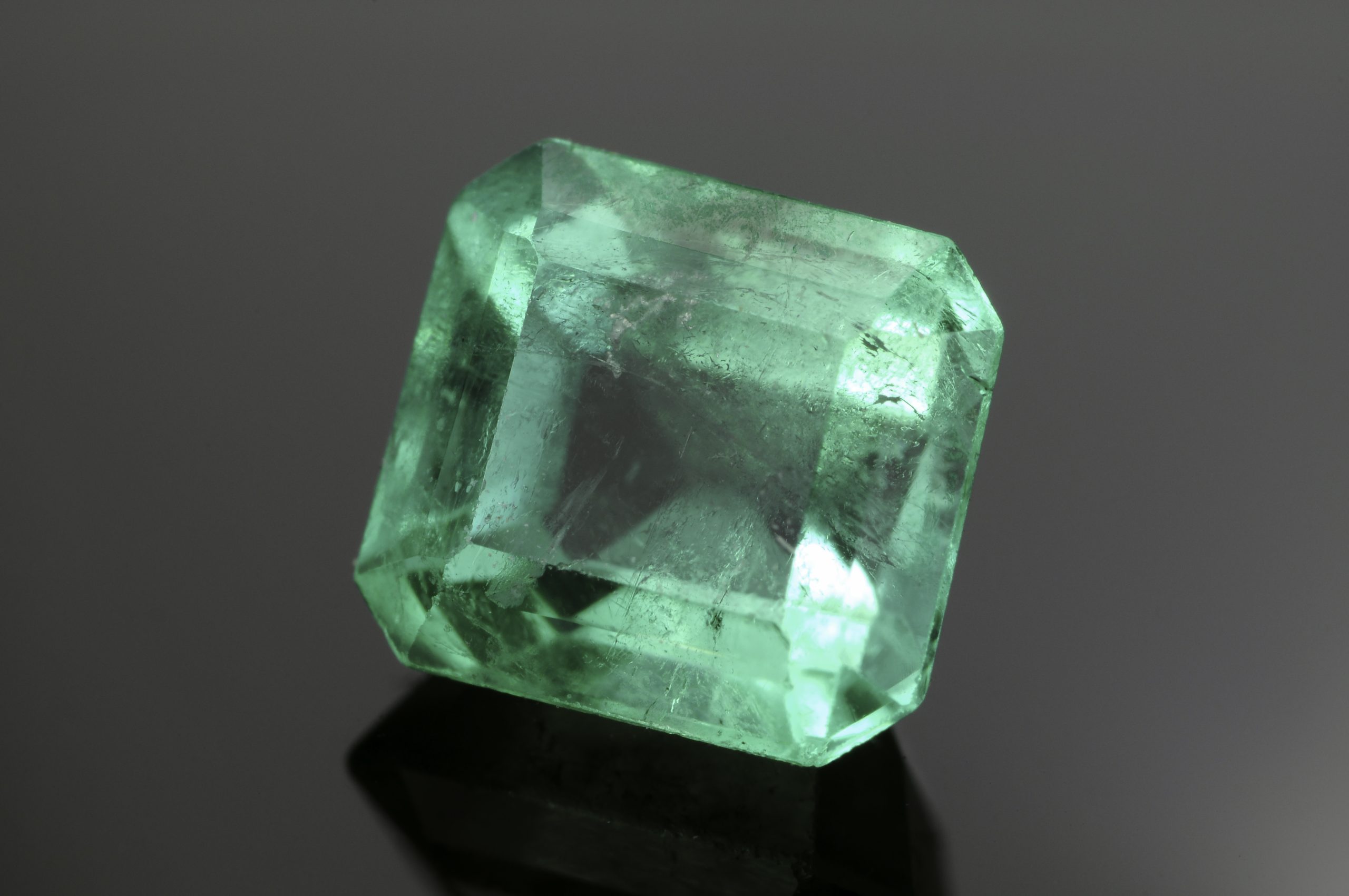
High-quality Emeralds can even beat Diamond in per-carat price, as happened at a Christie’s auction in which a nearly pure 5-carat Emerald reached double the price of a pure 5-carat Diamond.
John F. Kennedy, in order not to rack his brains over which between Diamond and Emerald was the more beautiful and precious Gem to give as a gift, chose to give Jacqueline Bouvier one of the most legendary rings in history, a piece of jewelry that will never lose its historical charm. This ring, signed Van Cleef & Arpels, is a Cross-over ring that features on one side a stunning 2.84-carat Diamond and on the other a 2.88-carat Emerald of breathtaking beauty.
Beware of the Emerald!
Due to the not-very-high hardness and stability of the Gem, cleaning it with an ultrasonic machine is not recommended. For the same reason, settings such as Pave setting, Bezel setting and Invisible setting are recommended.
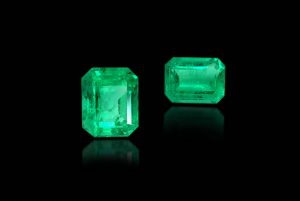
The most popular cut is the Step-Cut, with a large square or rectangular table and faceted corners. In an Emerald Cut with a perfect cut, the facets of the long and narrow Crown run perpendicular to those of the Pavilion.