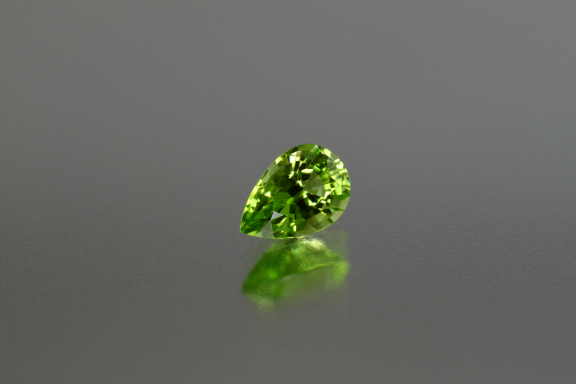
Peridot, Gem of August and of the 16th wedding anniversary
It could only be the Gem of August, since the word Peridot anciently meant sun. Indeed, the beautiful green of Peridot often tends to shift toward a golden yellow.
The history of Peridots has its roots well before the birth of Christ.
Tradition has it that it is usually given as a gift for the 16th wedding anniversary.
The first excavations in search of Peridot saw the ancient Egyptians at work on the island of Zabargad (then called Topazos), in the Red Sea. Many stories of this island have been handed down to us, whose persistent fog has always prevented sailors from reaching it easily.
It is said that around 1500 B.C., the inhabitants of Zabargad were forced to dig day and night. Miners sought the best quality of Peridot, which was destined for the lucky Pharaoh.
At first, since there were no certified gemologists from the Gemological Institute of Genoa among the ancient Egyptians, Peridots were mistaken for Emeralds..
Was Cleopatra spectacularly cheated?
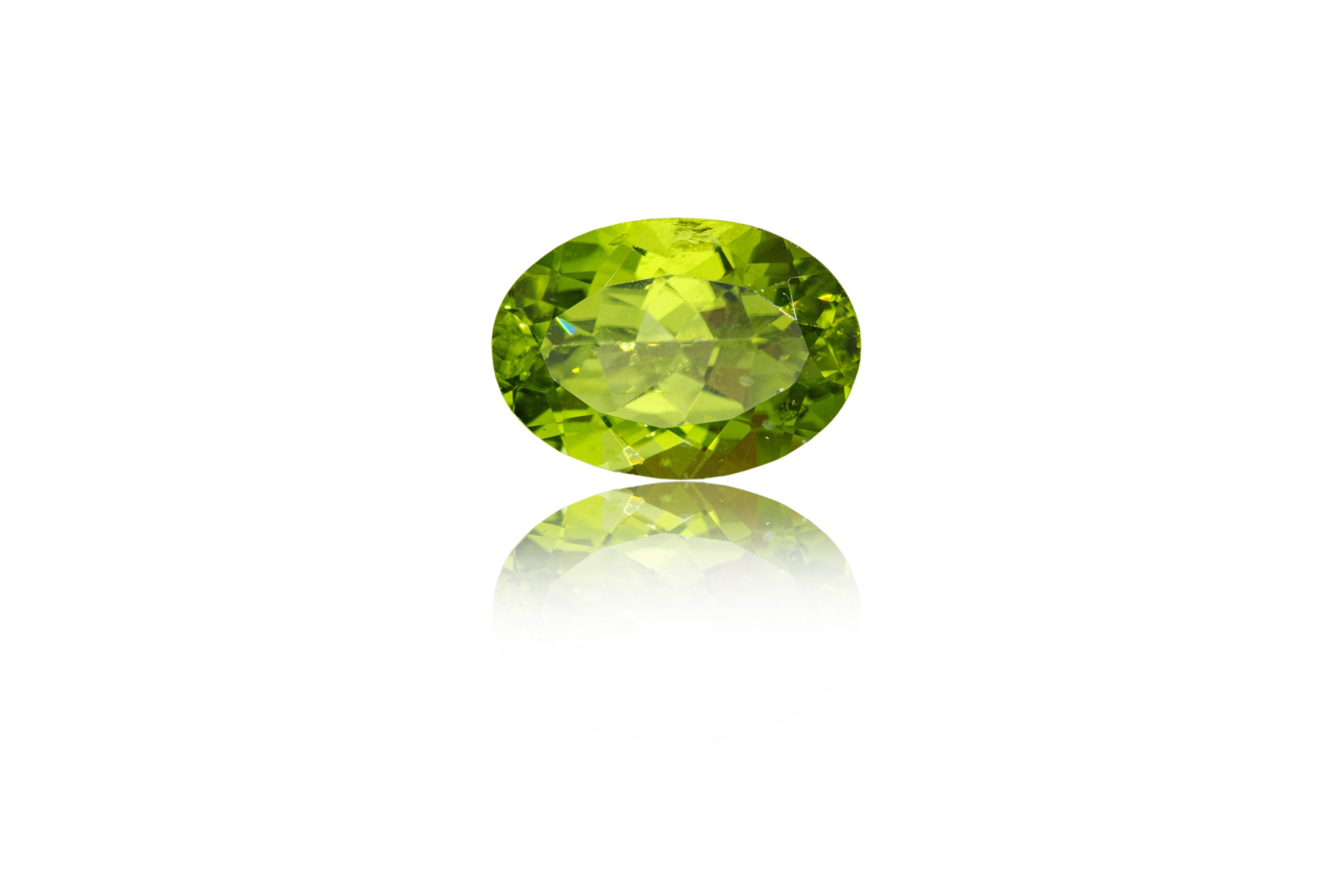
By now, with the famous hindsight, we are certain that Cleopatra’s legendary Emeralds were actually Peridots. What could console the beautiful Cleopatra was that many other unwitting Gem traders of the time fell into this kind of mistake.
For centuries men believed that Peridot was Emerald, since there were not the gemological knowledge and means we have today.
Numerous European cathedrals were adorned with Peridots of the most varied sizes. Unfortunately wars and various plunderings caused many Gems to disperse.
Always thanks to the aforementioned hindsight, we are now certain that the columns of the Three Holy Kings church in Cologne, Germany, are studded with 200 Peridots and not with 200 Emeralds as was believed until recently.
Peridot is still the Egyptian national Gem.
The Evening Emerald leaves home wearing the Mantle
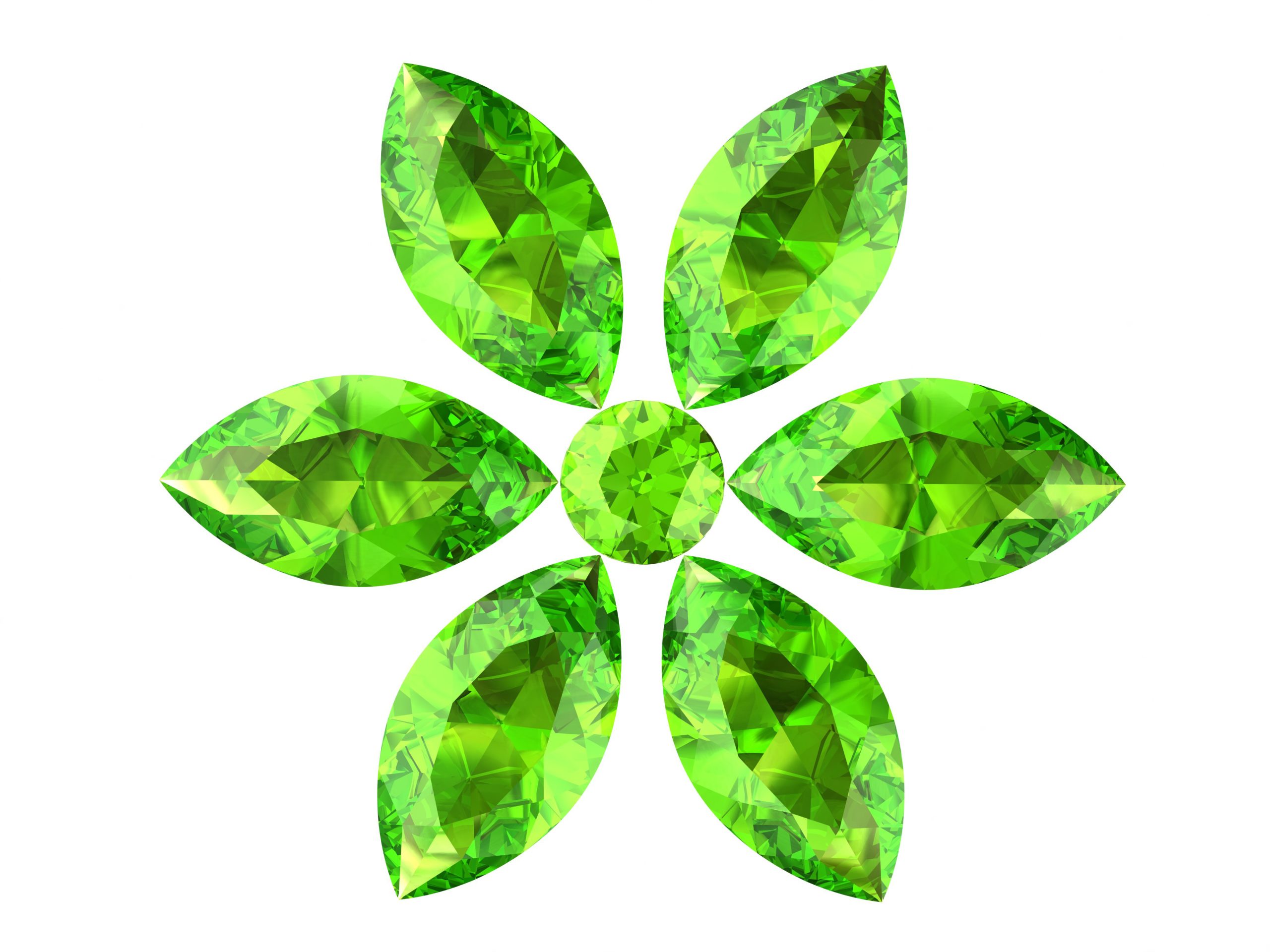
Peridot is nicknamed by many “Evening Emerald”. Indeed, the best Peridot resembles Emerald. But only in the rare cases when it appears with shades of pure green of sweet intensity.
Together with Diamond, it is one of the very few Gems that comes from the Earth’s mantle. Indeed, at historical moments when the Earth’s crust opens, rocks from the mantle are pushed upward, thus transporting the Peridots they contain. This too has contributed to fueling numerous legends.
Famous is the one according to which Peridot, mounted on yellow gold, becomes a true talisman, especially when worn on the right arm.
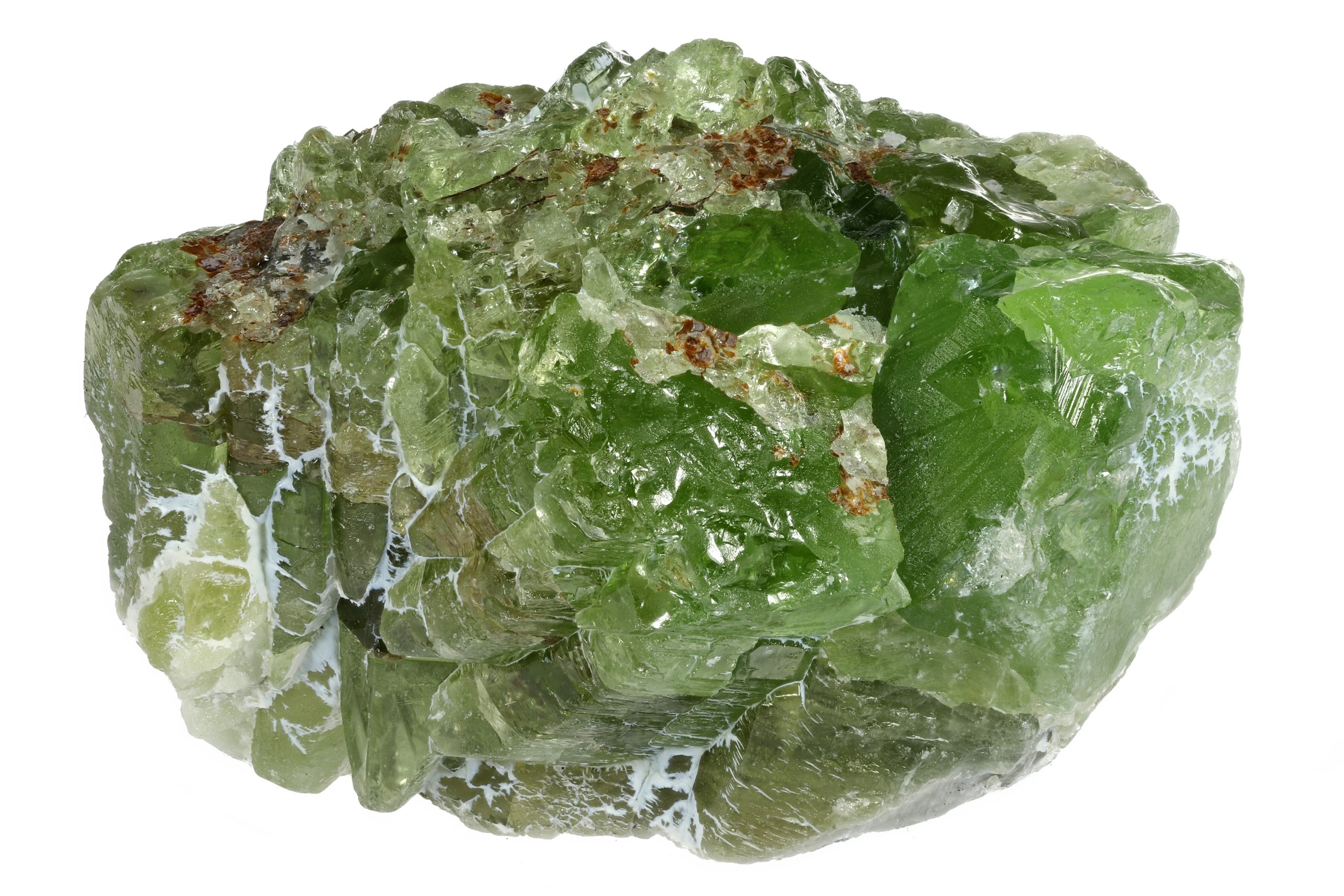
Miners find it in the form of irregular crystal masses in volcanic veins and in rock pockets. The latter are of better quality than the basaltic ones.
In addition to the cited Egyptian sources, new Peridot mines have arisen around the world. The most productive are in Norway, Arizona, Mexico, Oregon and Russia.